
Let’s be brutally honest: hunting for the best IPTV subscription with no buffering in 2026 feels a lot like navigating a street market full of counterfeit watches. Every seller claims theirs is genuine; few actually are. Over the past two decades I have spent working in digital content strategy and SEO, I have personally tested dozens of streaming platforms, analysed hundreds of user-generated performance reports, and sat through more frozen screens than I care to remember. What follows is not a recycled list padded with filler — it is a practical, technically grounded guide that will help you identify, evaluate, and lock in a premium IPTV subscription that genuinely delivers on its promises.
The traditional cable model has been quietly crumbling for years, but 2026 marks a genuine tipping point. Households in the UK, USA, Canada, and across Europe are cancelling satellite contracts at record rates, drawn toward flexible, affordable streaming alternatives. The trouble is that demand has attracted a flood of opportunistic providers who stack up channel counts on marketing pages while cutting corners on the infrastructure that actually makes streaming watchable. If you want to watch the Super Bowl, a Premier League title decider, or a global film premiere without a single stutter, you need to understand what actually separates great providers from terrible ones — and that conversation has to start with infrastructure, not price.
For those looking to dive straight into setup, our dedicated setup IPTV on Firestick guide walks you through every step from device preparation to first play. And if you are specifically based in the UK and want to follow live football, do not miss our detailed breakdown of how to watch Premier League on IPTV UK, which covers geo-routing, server selection, and legal considerations all in one place.
Table of Contents
Why Buffering Happens — And Why Most Services Fail
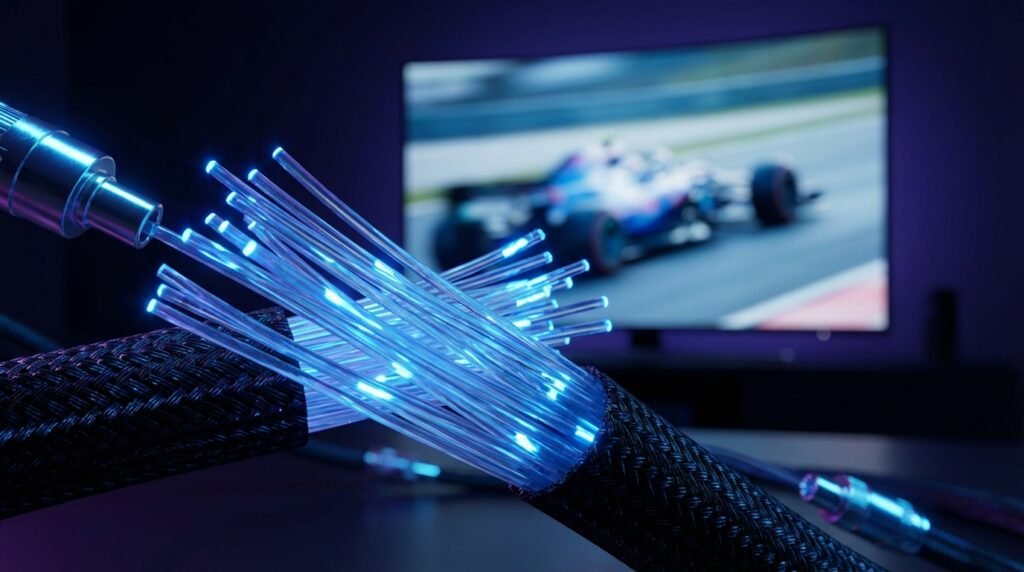
Before you can confidently select the best IPTV subscription with no buffering, you need to understand why buffering happens in the first place. Many buyers assume it is purely a speed problem on their end. In reality, the cause is almost always on the provider’s side, buried deep in server architecture decisions made to cut costs.
When a provider runs thousands of channels through shared hosting — meaning dozens of customers’ streams pass through the same physical server hardware — that server becomes a bottleneck during high-traffic periods. Picture tens of thousands of people simultaneously tuning in to a Champions League final. A shared server simply cannot process that many simultaneous data requests cleanly. Packets drop, the player’s buffer runs dry, and your screen freezes.
Premium providers solve this through dedicated, private server nodes distributed across strategic geographic regions. Traffic is load-balanced automatically; if one node is under strain, requests are silently rerouted to another. The end result, from the viewer’s perspective, is seamless playback even when millions of other users are watching the exact same event.
The other critical variable is bitrate. Genuine 4K content requires between 15 and 25 Mbps of consistent, uncompressed throughput. Many services advertise “4K” but deliver heavily compressed streams at a fraction of that bitrate — images that look soft, colours that bloom, and motion that judders. If you are investing in a quality IPTV subscription, always ask providers specifically about their 4K bitrate commitments, not just their channel count.

The 2026 Industry Leaders: Infrastructure Over Marketing
The search for the best IPTV subscription with no buffering consistently leads back to a handful of providers that have prioritised genuine engineering investment over flashy marketing. Here are the names that repeatedly appear in independent performance benchmarks and community discussions among serious cord-cutters.
Trimixiptv — The 4K Stability Standard-Bearer
Trimixiptv has built a reputation it guards fiercely: zero-compromise 4K stability. The provider runs private, dedicated server nodes distributed across data centres in the United States and Europe, which means that during high-demand events like the Super Bowl or a World Cup final, traffic is distributed intelligently rather than piling onto a single overloaded machine. Bitrates are consistently maintained at the upper end of the 4K range, and the service has demonstrated particular resilience during simultaneous global sports broadcasts — historically the hardest test any IPTV infrastructure can face.
Smartiflix — The Channel-Switching Champion
For viewers who flick between channels frequently — particularly sports fans monitoring multiple live fixtures simultaneously — Smartiflix is a standout. The provider has developed a proprietary server handshake protocol that reduces channel-switch latency to under half a second, a figure that sounds trivial until you experience the jarring wait that cheaper services impose. Smartiflix consistently ranks at the top of independent speed benchmarks for zapping performance, and its global server footprint supports this regardless of your location.
Tiviport — Precision Routing for North America and the UK
If the bulk of your viewing is North American or British content, Tiviport deserves serious consideration. The provider has strategically placed server infrastructure in New York, London, and Toronto, which significantly reduces the physical distance data must travel to reach your device. Lower latency means smoother real-time streams, and local news channels, regional sports, and time-sensitive broadcasts benefit noticeably. Tiviport’s library runs to over 61,000 live channels, and its focus on the Best IPTV UK market makes it a natural recommendation for British subscribers.
IPTVON.ME — Volume, Stability, and Anti-Freeze Technology
With over 35,000 live channels and a documented 99.9% uptime record, IPTVON.ME positions itself as the most comprehensive all-round IPTV subscription on the market. Its proprietary anti-freeze technology actively monitors stream health and triggers automatic server failover before a freeze becomes visible to the end user — a genuinely impressive piece of engineering that its competitors have been slower to adopt.
Top-Rated IPTV Providers for 2026: Full Comparison
Beyond the headline providers, the best IPTV providers category is broad and genuinely competitive. Below is a curated breakdown of services that consistently earn high marks in community testing, covering different price points, content focuses, and regional strengths.
- NIGMA TV: A 42,000-channel library paired with a massive VOD catalogue, offering rapid activation and consistently low buffering metrics across HD and 4K tiers. Particularly strong for Middle Eastern and European content.
- IPTV US: With 55,000 live channels and over 90,000 titles in its on-demand library, this service is one of the most content-rich options available. Instant activation and competitive pricing make it a frequent recommendation for American households.
- ApolloTVMax: Built around anti-freeze technology, ApolloTVMax is engineered for reliability across a wide range of devices including smart TVs, tablets, and laptops. Its adaptive bitrate system automatically adjusts stream quality to match available bandwidth without interrupting playback.
- Eagle Cast TV: An all-in-one service covering 22,000+ channels with strong VPN compatibility, making it a practical choice for subscribers who travel internationally or require geo-flexible access to home country content.
- Kablen IPTV: Positions itself as a customer-first platform, combining buffer-free streaming claims with genuine 24/7 technical support — a combination that is rarer in this industry than it should be.
- Digital Lizard IPTV: An entry point for budget-conscious viewers. Starting from $9.99 per month, it delivers anti-buffering technology and smooth 4K playback at a price that makes it difficult to dismiss, though peak-time performance requires testing before committing.
- Pillar IPTV: Twenty-five thousand live channels delivered in HD and 4K, backed by a 99.9% uptime commitment and a particularly clean user interface that suits less technical viewers.
- TVWorldwide: Frequently highlighted in sports streaming communities as the go-to option for football and combat sports. Independent testers have documented stable performance during peak-traffic UFC events and Premier League fixtures, which is the acid test for any serious sports-focused IPTV subscription.
- Fluxbox TV: Fast anti-buffering algorithms and support for 4K Ultra HD content across multiple simultaneous devices, making it a practical choice for family households running several streams concurrently.
For a deeper dive into service-by-service comparisons with current pricing and trial options, browse our comprehensive iptv subscription directory, which is updated regularly to reflect provider changes.
Technical Requirements: What Your Setup Actually Needs
Even the best IPTV subscription with no buffering will disappoint you if your local setup cannot support it. This is one of the most common — and most avoidable — sources of frustration for new cord-cutters.
Internet Speed: The Real Numbers
The bare minimum for standard definition IPTV is around 5 Mbps. For HD content, 10–15 Mbps provides comfortable headroom. Genuine 4K streaming, however, demands between 30 and 50 Mbps of consistent throughput — and that means consistent, not just the peak figure your ISP quotes. Run a speed test at multiple points during the day, including evening peak hours, to understand what you actually have to work with rather than what the headline plan suggests.
Wired vs. Wireless: An Honest Assessment
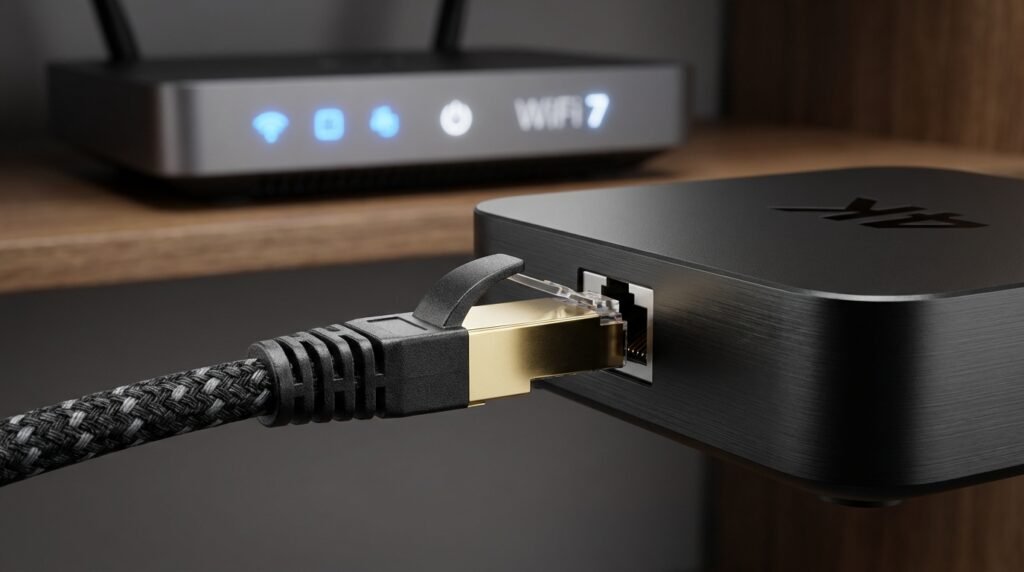
Wi-Fi 7 has genuinely closed the gap with wired connections for many use cases, but when it comes to sustained, high-bitrate video streaming, a physical Ethernet connection remains the most reliable choice. Wireless signals are subject to interference from neighbouring networks, household appliances, building materials, and device congestion. None of these variables affect a wired connection. If your streaming device is within reasonable cable distance of your router, a direct Ethernet connection is the single most impactful hardware upgrade you can make to your IPTV experience.
Hardware: Devices That Deliver
- NVIDIA Shield Pro (2026 Refresh): The premium choice for serious streamers. AI-assisted upscaling, Dolby Vision and Atmos support, and hardware-accelerated decoding make it the most capable consumer streaming device available. An investment, but one that pays dividends in picture quality.
- Amazon Fire TV Stick 4K Max: The strongest budget option in 2026. Handles most IPTV players natively, supports 4K HDR, and benefits from regular software updates. For most households, this is the sensible starting point before committing to premium hardware.
- Android TV Boxes: Offer the most flexibility in terms of app installation and player customisation, though quality varies enormously between manufacturers. Research specific models before purchasing.
Data consumption is also worth factoring into your planning. Streaming in 4K at full bitrate consumes approximately 7 GB per hour. A single evening of 4K viewing across a three-hour match with pre and post-show coverage can comfortably consume 21 GB or more. An unlimited broadband plan is effectively mandatory for anyone committing to 4K IPTV as a primary entertainment platform.
VPNs: The Non-Negotiable Performance Companion
A reliable VPN has moved from “nice to have” to “essential” for anyone running an IPTV subscription in 2026. The reason is ISP throttling — a widespread practice whereby internet service providers deliberately reduce speeds for traffic they identify as high-bandwidth video streaming. A VPN encrypts your traffic, making it impossible for your ISP to categorise it and therefore preventing targeted throttling. The performance difference during peak evening hours can be substantial.
- NordVPN: The leading recommendation heading into 2026, delivering consistent speeds above 460 Mbps across its server network. NordVPN’s obfuscated servers are designed specifically to disguise VPN traffic, preventing detection and blocking by ISPs or geo-restricted platforms. Its no-logs policy has been independently audited, which matters for privacy-conscious subscribers.
- Surfshark: The strongest value proposition for households. Unlimited simultaneous device connections mean the entire family’s IPTV setup can be protected under a single subscription without additional cost. Performance is competitive with more expensive options, particularly across European servers.
- ExpressVPN: Premium pricing, but consistently strong server coverage and reliable speeds across regions. A solid choice for subscribers who stream content from multiple international markets.
When selecting a VPN server, choose one geographically close to your IPTV subscription provider’s server infrastructure rather than simply connecting to the nearest server. This reduces the total routing distance your data travels and minimises the latency introduced by the VPN tunnel. Most premium VPN applications display server load and latency — use these metrics rather than defaulting to an automatic selection.
Choosing Your IPTV Player: The Interface That Shapes Everything
Your IPTV subscription‘s channel guide, EPG accuracy, and stream launch speed are all determined by the player application you pair with it. The underlying service provides the content; the player determines how efficiently you access it. This distinction matters more than most subscribers realise.
- TiviMate Premium: The undisputed benchmark for Android-based IPTV players. Scheduled recording, a deeply customisable EPG, picture-in-picture mode for monitoring secondary fixtures, and smooth multi-playlist management make it the professional’s choice. Worth every penny of the one-off licence fee.
- IPTV Smarters Pro: Cross-platform compatibility is Smarters’ strongest asset — it runs on Android, iOS, Smart TV platforms, and Windows. Multi-screen viewing and support for external video player integration help reduce buffering caused by software-side decoding bottlenecks. Our dedicated IPTV Smarters Pro guide covers advanced configuration in detail.
- XCIPTV: The strongest free-tier option, featuring a clean interface, MX Player integration for hardware-accelerated decoding, and broad compatibility with different provider M3U formats.
- GSE Smart IPTV: Particularly strong on iOS and macOS. Supports both M3U and Xtream Codes API connections and handles large multi-thousand channel playlists without significant performance degradation.
Player configuration is a frequently overlooked performance lever. Setting your player’s hardware decode preference to the device’s native codec support, disabling unnecessary EPG polling intervals, and allocating adequate buffer size in the player settings can collectively eliminate a significant proportion of freezing events that users incorrectly attribute to the provider’s infrastructure.

Troubleshooting: When Even Good Services Freeze
Even the best IPTV subscription with no buffering will occasionally stumble. Knowing how to diagnose and resolve issues quickly saves considerable frustration and prevents you from abandoning a genuinely good service over a fixable problem.
- Clear Application Cache First: This is the most common fix for gradually degrading performance. TiviMate, IPTV Smarters, and similar applications accumulate cached EPG data, thumbnail images, and temporary files over weeks of use. On most Android devices, navigate to Settings > Apps > [Player Name] > Storage > Clear Cache. Repeat this monthly as routine maintenance.
- Test Wired Before You Blame the Provider: Before contacting your provider’s support team, temporarily connect via Ethernet if you have been using Wi-Fi. A surprising proportion of reported provider issues resolve instantly when the wireless variable is removed.
- Switch Server Nodes: Premium providers offer multiple server options within their applications or through their support team. If buffering persists on your default server during peak evening hours, requesting an alternative node is often all that is needed. Geographic load-balancing means a server in a different city may be significantly less congested.
- Monitor QoE Metrics: Technical indicators such as TS_sync_loss errors and continuity count errors visible in diagnostic tools indicate whether packet loss is occurring within the provider’s network or within your home connection. This distinction tells you who needs to fix what.
- Check for ISP Throttling: Run a speed test with and without your VPN active during an evening when buffering is occurring. A significant speed improvement with the VPN confirms ISP throttling, not a provider problem.
Avoiding Scams: Red Flags Every Buyer Must Recognise
The best IPTV subscription with no buffering marketplace is unfortunately surrounded by fraudulent and unreliable providers. Learning to identify them quickly protects both your money and, more importantly, your device security.
The Lifetime Subscription Trap
Running a legitimate, high-performance IPTV infrastructure is expensive. Server leases, bandwidth costs, content licensing negotiations, and technical staff do not come cheaply. Any provider offering a “lifetime” subscription for $15 or $20 is either planning to shut down within months or funding infrastructure costs through data harvesting. The economics simply do not support sustainable long-term operations at those price points. Treat lifetime offers as an automatic disqualifier.
Payment and Activation Red Flags
- No support ticket system or contact method other than a Telegram username.
- Payment accepted exclusively through untraceable methods with no refund pathway.
- Vague or absent information about activation timeframes.
- No trial period offered, even a short one — legitimate providers are confident enough in their service to offer a test.
- Website created within the last three months with no community presence or independent reviews.
Malware Risks
Unverified providers carry a genuine risk of distributing modified player applications pre-loaded with malware. Always download player applications from official app stores or the developer’s verified website, never from a provider’s own download links. Running a reliable IPTV subscription through a reputable VPN adds a meaningful layer of protection even when using vetted providers, as it prevents your real IP address and browsing data from being logged by the service.
The Optimal 2026 Setup: A Practical Configuration Guide
Based on extensive testing, here is the setup that consistently delivers the best IPTV subscription with no buffering experience across different household types and budgets.
Premium Configuration
- Provider: Trimixiptv for native 4K sports content, supplemented by IPTVON.ME for breadth of international channels.
- Hardware: NVIDIA Shield Pro connected via Gigabit Ethernet.
- Player: TiviMate Premium with hardware decoding enabled and buffer size set to 15 seconds.
- VPN: NordVPN on an obfuscated server geographically proximate to the provider’s primary nodes.
- Internet: 100 Mbps synchronous connection minimum; 500 Mbps recommended for multi-room 4K setups.
Mid-Range Configuration
- Provider: TVWorldwide or ApolloTVMax — both offer strong performance at mid-tier pricing.
- Hardware: Amazon Fire TV Stick 4K Max via Ethernet adapter.
- Player: IPTV Smarters Pro or XCIPTV with MX Player as external decoder.
- VPN: Surfshark — value-focused with strong multi-device coverage.
Budget Configuration
- Provider: Digital Lizard IPTV — strong anti-buffering performance at the $9.99 price point.
- Hardware: Any recent Android TV box with hardware AVC/HEVC decoding support.
- Player: XCIPTV free tier.
- VPN: Surfshark’s entry plan — covers the essentials without unnecessary expense.
Regardless of budget tier, the best IPTV subscription with no buffering is always the result of matching provider quality with appropriate hardware and a solid network foundation. No single element compensates for weakness in another — they work as a system.
Final Verdict: Making the Right Choice in 2026
After two decades working in digital content and streaming technology, the advice I consistently give is simple: invest in infrastructure first, content breadth second. The best IPTV subscription with no buffering is never the cheapest option on the first search page. It is the provider whose engineering team has built dedicated nodes, deployed anti-freeze failover systems, and maintained consistent bitrates through years of growth — not weeks.
Trimixiptv, IPTVON.ME, Tiviport, and Smartiflix represent the current gold standard for different use cases. Pair any of them with a capable device, a wired connection, and NordVPN’s obfuscated network, and you will have an entertainment setup that outperforms traditional cable on every measurable dimension — picture quality, content volume, flexibility, and cost. For sports fans in the UK, our guide on how to watch Premier League on IPTV UK adds a further layer of optimisation specific to live football streaming. And for those just getting started, the setup IPTV on Firestick walkthrough makes the technical side accessible regardless of your experience level.
The cord-cutting era is no longer a future trend — it is the present reality. Securing a reliable, buffer-free IPTV subscription is simply a matter of knowing what to look for, what to avoid, and how to configure what you have. This guide gives you all three. The only remaining step is choosing a provider, running a trial, and switching off the cable box for the last time.